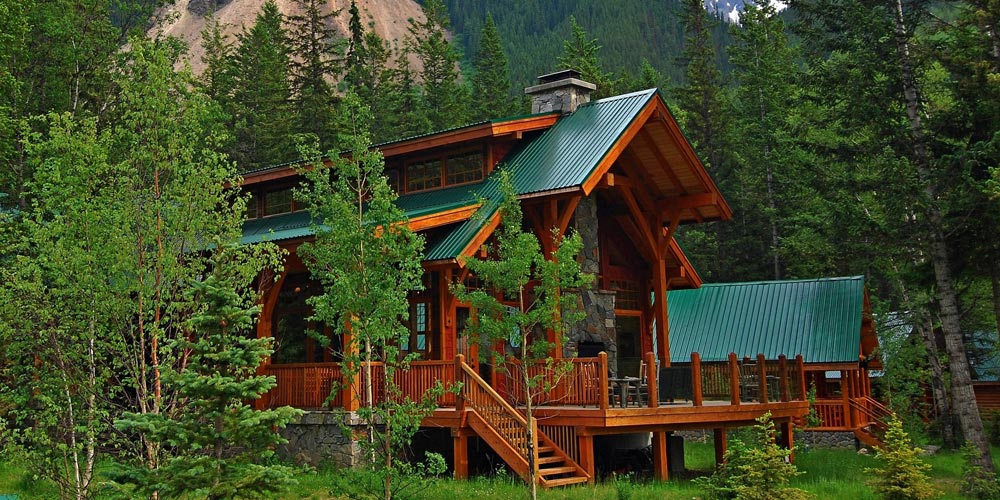
Hunting lodges and preserves combine natural habitat, infrastructure, and human activity. This creates an environment where wildfire prevention is both a conservation priority and a critical business concern. The risk is even greater for properties in remote areas, where emergency response times may be longer and access may be limited.
For preserve owners and operators, wildfire risk is real. A single ignition can threaten lodges, cabins, processing facilities, equipment, vehicles, and most importantly, people. While safeguarding facilities and infrastructure is essential, protecting human life remains the highest priority in any wildfire risk plan. Proactive wildfire mitigation helps protect guests, staff, property, and the long-term viability of the operation.
The following best practices can help reduce wildfire exposure while maintaining operational efficiency.
Defensible Space: Your First Line of Protection
Defensible space is the buffer between structures and surrounding vegetation. On hunting preserves, this includes lodges, bunkhouses, caretaker residences, processing sheds, range buildings, and storage facilities. Creating this buffer reduces fire intensity near structures and improves firefighter safety during response.
Key practices:
- General clearance: Remove trees within 150 to 300 feet of each structure where feasible
- Immediate buffer: Eliminate all vegetation within 15 feet of buildings
- Ground fuels: Keep weeds and dry grass trimmed to under 6 inches
A fire-resistant landscape around your facilities is essential as brush fires become more frequent and intense.
Minimum Standards for Structures and Access
Apply consistent standards across cabins, game-cleaning stations, range buildings, and staff housing. Clearly marked addresses and unobstructed access routes help emergency responders navigate large properties quickly.
Recommended minimum standards:
- Tree limbing: Trim branches at least 6 feet from ground level within 30 feet of buildings
- Brush clearance: Remove combustible vegetation within 100 feet of structures, excluding intentional landscaping
- Chimneys: Maintain at least 10 feet of clearance from overhanging limbs
- Dead wood: Remove dead trees and limbs near or overhanging structures
- Roofs and gutters: Keep clear of leaves, needles, and debris
- Under structures: Remove flammable debris from beneath decks, stairs, patios, and carports
- Driveway access: Maintain 12-foot-wide and 15-foot-high clearance for emergency vehicles
Managing Fire Risk Across the Property
Human activity causes approximately 88 percent of wildfires in the United States. Common sources include fire pits, open burns, and unattended embers. Between 2010 and 2020, more than 200,000 wildfires were linked to open burning.
To reduce risk:
- Avoid fires during high winds or extremely dry conditions
- Keep fires small, no larger than 4 feet by 4 feet
- Maintain a 10-foot safety zone around all fires
- Use fire screens and burn only dry, untreated wood
- Keep suppression tools nearby such as extinguishers, buckets, hoses, and shovels
- Fully extinguish fires with water until embers are cool to the touch
Fire-Safe Landscaping for Preserves
Fire-safe landscaping helps slow fire spread and protect structures while preserving the natural look of the property.
Design strategies:
- Create firebreaks using stone walls, patios, pools, decks, and roadways
- Use gravel, rock, and garden beds instead of continuous grass or mulch near buildings
Plant selection guidelines:
- Choose plants with high moisture content and low sap or resin
- Fire-retardant options include rockrose, ice plant, and aloe
- Fire-resistant shrubs include hedging roses, bush honeysuckle, currant, cotoneaster, sumac, and shrub apples
- Favor hardwoods such as maple, poplar, and cherry over more flammable conifers like pine and fir
Use hardscape to separate lodging areas from parking, storage, and processing areas. Plant moisture-retaining species near trailheads, gathering spaces, and buildings.
Additional Mitigation Measures
- Store firewood at least 30 feet from buildings
- Install chimney screens
- Inspect and maintain fire extinguishers regularly
- Conduct fire drills and evacuation training for staff and guests
- Clearly mark escape routes and rally points
- Move combustible outdoor furniture indoors during high-risk periods
- Identify reliable water sources and consider ponds in remote areas
- Keep hoses connected and long enough to reach all structures
- Maintain essential tools such as ladders, rakes, axes, chainsaws, shovels, and buckets
Quick Checklist for Managers
For each structure:
- Vegetation cleared 15 feet from walls
- Tree limbs trimmed to 6 feet within 30 feet of buildings
- Brush cleared within 100 feet
- Roofs and gutters free of debris
- Chimney clearance maintained
- Driveway access compliant
Across the property:
- Fire-safe hardscape in high-use areas
- Fire-resistant plant selection in place
- Water supply identified
- Hoses connected and tools staged
- Extinguishers inspected and drills conducted
By combining defensible space, clear access, and fire-safe landscaping, hunting lodges and preserves can significantly reduce wildfire risk while protecting habitat, guests, and business assets. Regular inspections and property-specific planning are key to maintaining these safeguards over time.
Not sure if your business has the right coverage? Our team can review your risk exposure and help determine the insurance solutions that fit your operation.
Call (888) 222-7476 or visit www.assetsuregroup.com for a confidential consultation.