Many homeowners assume that if their roof still has years of life remaining, insurance companies will view it the same way. That assumption is increasingly proving to be incorrect.
Across the country, insurers are tightening underwriting guidelines and closely examining roofs during both new policy applications and renewals. Even roofs that are only 10–12 years old may face scrutiny depending on condition and location.
As a result, the age and maintenance of your roof can now directly affect your eligibility for coverage, your deductible structure, and how a claim is paid.
Roof Claims Are Surging
According to InsuranceNewsNet, State Farm reported a $1 billion increase in hail-related claims from 2021 to 2022. Industry-wide, convective storm losses (including hail) reached $60 billion last year, doubling from prior levels. Inflation and supply chain disruptions have also pushed average roof claim costs up by approximately $2,000 per claim.
In short, roofs are expensive to replace and insurers are adjusting accordingly.
Why Roof Age Matters
For asphalt or architectural shingles:
- Preferred age: 10 years or less
- Typical lifespan: 20–25 years
- Typical lifespan in wind/hail-prone regions: often 15–20 years
Once a roof passes the 10-year mark, some carriers begin shifting full replacement coverage to Actual Cash Value (ACV), meaning depreciation is applied. Each carrier uses its own depreciation schedule, and the payout difference can be substantial.
Other materials:
- Metal roofs: 50+ year lifespan
- Clay tile roofs: 50+ years
Some insurers now decline:
- Wood shake roofs in most areas
- Flat roofs in moderate to high convective storm states
- Metal roofs may be subject to higher wind/hail deductibles and cosmetic damage exclusions
- Any roof with solar panels attached
Roof type matters more today than it did even five years ago.
Maintenance Is Not Optional
Insurance is designed to cover sudden and accidental damage to a roof versus long-term neglect. Homeowners should:
- Keep gutters clear of debris
- Trim overhanging branches
- Remove limbs that contact or overhang the roof
- Address missing or damaged shingles promptly
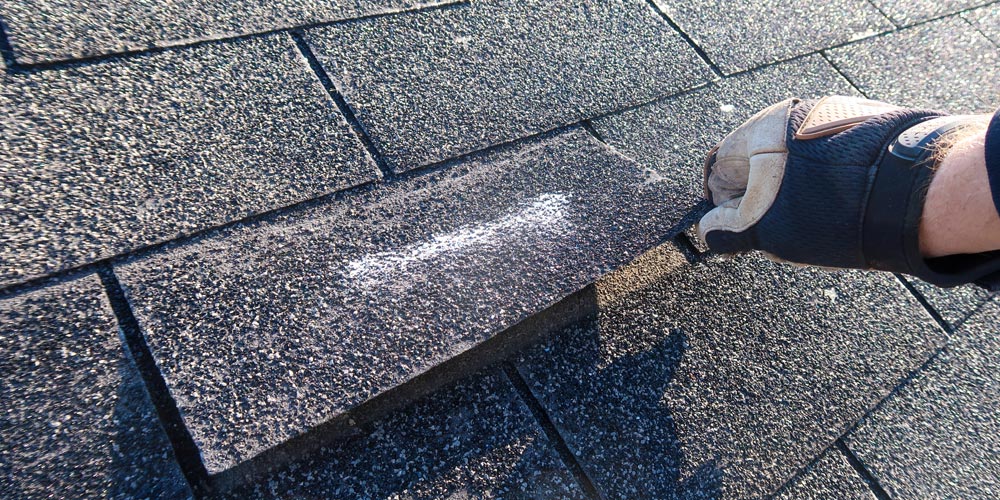
If your roof is 10 years or older, a licensed roof inspection is strongly recommended. Inspections are especially important following major wind or hail events.
Buying a Home? Ask About the Roof
Before closing:
- Confirm the age of the roof
- Ask for documentation of replacement
- Determine the material type
- Consider ordering a roof inspection
An older roof may:
- Require inspection before binding coverage
- Be insured on ACV only
- Limit carrier options
There are many examples of insurers denying or restricting coverage based on roof age and condition.
Replaced Your Roof? Tell Your Agent
If you’ve recently replaced your roof, be sure to notify your agent immediately. Updating the roof age on your policy may:
- Improve underwriting eligibility
- Remove ACV limitations
- Qualify you for a premium credit
Carriers rely on accurate roof age data. Keeping it current matters.
What Every Homeowner Should Know About Roofs and Insurance
Your roof is one of the most important components of your home and a major factor in your insurance coverage. As underwriting standards continue to tighten, roof age, condition, and material are playing a larger role in pricing, coverage terms, and renewal decisions.
Staying proactive matters. Regular maintenance, timely inspections, and clear communication with your agent can help reduce risk and avoid unexpected coverage limitations.
If you are buying a home or unsure how your roof may be impacting your current policy, contact AssetSure for a comprehensive review of your homeowners coverage and roof exposure.